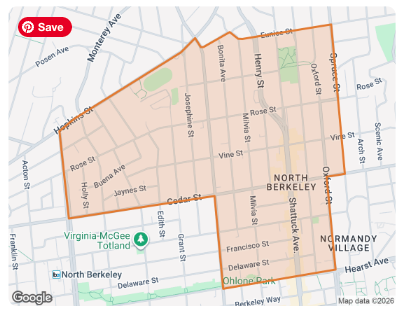
This is what we refer to as the North Berkeley. It is a desirable neighborhood in Berkeley with many beautiful craftsman-style homes, brown-shingle homes, and contemporary homes. Selling a home during the peak real estate selling season is a no-brainer; one wants to sell in a market with many buyers. Spring and early summer have consistently been the peak selling seasons in North Berkeley since 2008. Peak season drives demand higher than at other times of the year. More qualified buyers are on the market, motivated to buy and close before school starts by the end of July and early Aug. (Alameda School District Calendar 2026 - 2027 https://www.alamedaunified.org/family-resources/district-calendar). Put ourselves in the buyers' shoes. There are many approaches sellers take to selling a house: 1. Selling as-is: there are a lot of real estate investors (we call them flippers) looking for projects in this neighborhood. They can turn a dated house around and make a decent profit on resale. Pro: less stress to the sellers. This might be a good way to sell, as the number of real estate investors seeking projects is increasing. Con: The seller might not get the best price. It is a treat off between stress and value. Having a good realtor is crucial when selling fixers; you want to have the right person to negotiate among the investors, getting you the best price. 2. Selling the house in a Moving in Condition: this is to do some necessary repairs, making sure the house has no structural issues, great curb appeal, and leave the last 15% of updates to the new buyers to personalize to their desire. Pro: The seller will get the higher end of the market value of the house. Con: It takes time from a couple of months to a year, an upfront investment, and project management. Some of the homes are well-maintained, with many updates in the last five years. These kinds of houses take the minimum amount of prep work and attract the right buyers for the highest selling price. What the first quarter of 2026 tells us so far is that the market in the North Berkeley area is hot. Many buyers are looking to secure a house in the area and are willing to pay top dollar to compete for the right property. It is a good time to sell, whether the house is a fixer or in better condition.
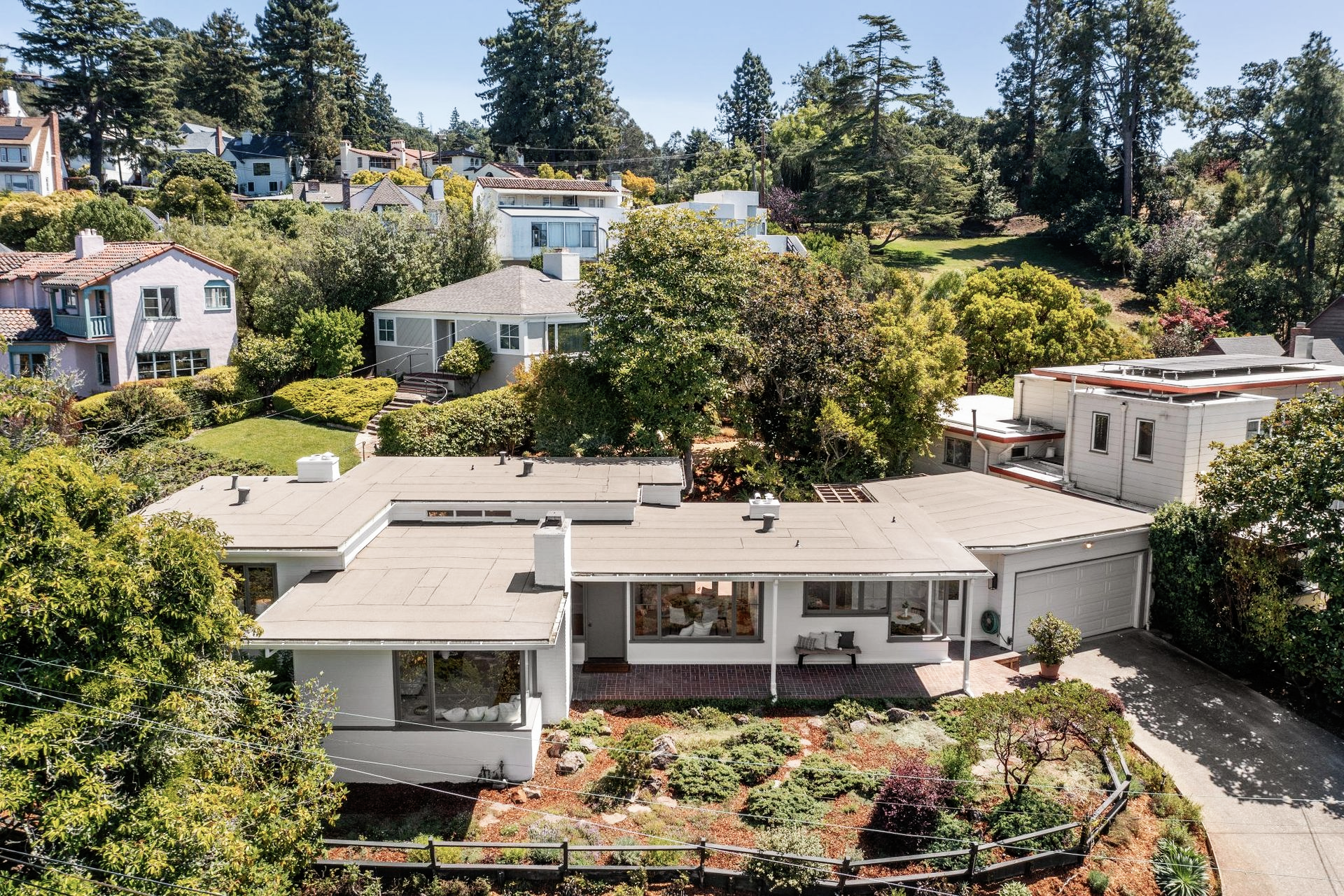
Learn how real estate transactions work during a divorce in California's Bay Area, including community property considerations, tax implications, listing timing, and privacy tips from a divorce real estate specialist.
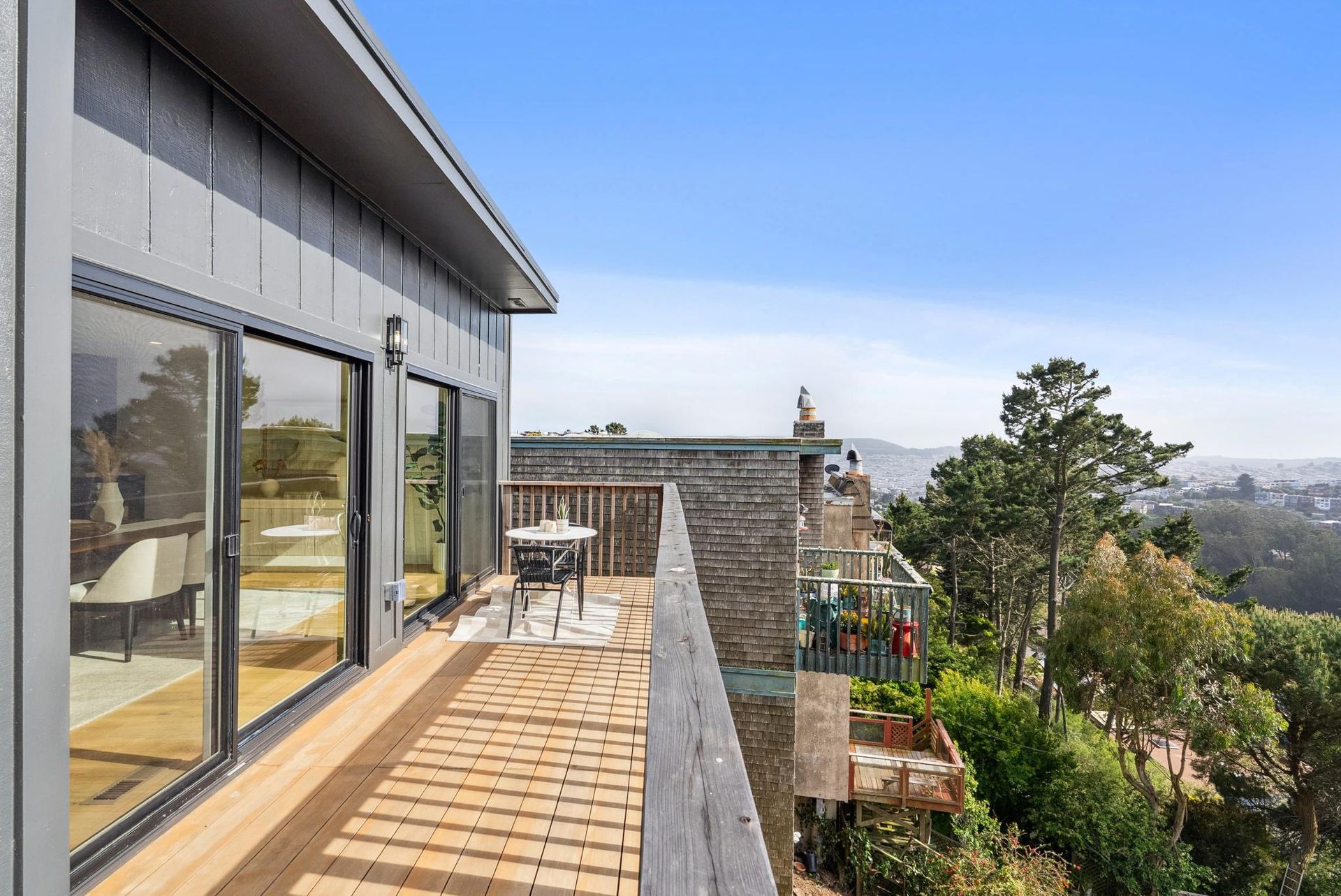
In order to downsize, the seller needs to identify where they will live after moving out of their house. The best time to move is when a seller is still able to make decisions rather than have the decisions made for them due to medical reasons. To downsize usually involves: a financial advisor, a real estate senior rightsize specialist, a home organizer and mover, and sometimes it also involves a home care placement agency or a care home placement specialist. Over the years, I have worked alongside many reputable professionals in senior services. I am happy to be a resource share the network of professionals with anyone who can help you with the rightsizing process. Contact Yun Tong for an initial consultation: Consultation Request